
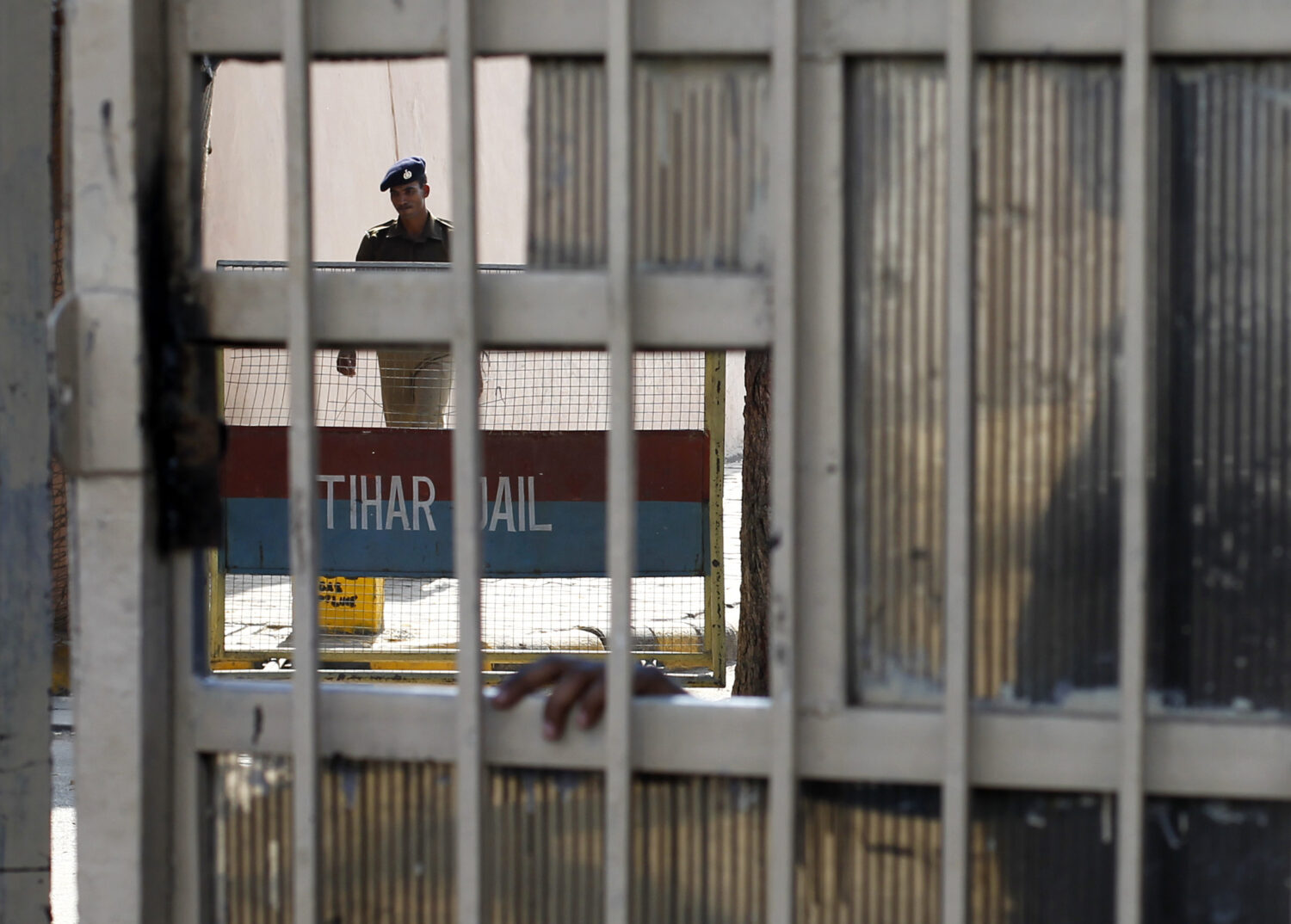
UN Experts Raise Alarm Over Custodial Torture in India
In May 2024, protests broke out around a local police station in Channagiri, in the state of Karnataka, India. A 33-year-old carpenter, Mohammad Adil, had been taken to the local police station for questioning in connection with a gambling case, but was declared dead in hospital later the same day. Adil’s family alleged that his death was the result of custodial torture by the police, with a fact‑finding report citing marks and injuries on his body. To this day, his family has received no compensation for his death.
In India, the practice of torture in custody is so widespread and common as to be accepted by the police. A nationwide survey found that around 37% of police officers considered it their role to punish people for (alleged) minor offences, while approximately 80% found it acceptable to beat suspects to extract confessions.
Intervention from UN experts
Following advocacy by REDRESS and Indian partners, this practice has now been the subject of renewed focus and engagement by UN experts. In February, the UN Special Rapporteurs on torture and on extrajudicial, summary or arbitrary executions called on the Government of India to launch urgent, independent investigations into allegations of extrajudicial killings and torture‑related deaths by law enforcement officials, and to undertake major reforms to modernise policing in line with international human rights standards.
India continues to fall short of its international human rights commitments. It has yet to ratify the UN Convention against Torture (UNCAT), and torture is not criminalised as a separate offence in domestic law, meaning that acts of torture may be prosecuted as other ordinary offences and not treated according to their severity. Existing legal safeguards against torture and ill‑treatment, including the right to access a lawyer and Supreme Court directives on CCTV installation in police stations, are frequently ignored.
The UN experts highlighted a pervasive pattern of excessive and often lethal use of force by police, particularly in Uttar Pradesh and Assam, including extrajudicial injuries and deaths euphemistically called “encounters” and “half‑encounters”, alongside widespread custodial torture. Marginalised communities have been disproportionately affected, including on the basis of religion or caste.
In their communication, the UN experts call on the Indian Government to provide detailed information on measures being taken to ensure that safeguards to prevent torture and ill‑treatment are effective in custody, to demonstrate whether investigations are being conducted into violations, and to explain what steps India is taking to ratify UNCAT.
In many cases, torture and extrajudicial killings are committed under the guise of countering terrorism. In November 2025, a group of UN experts, including the Special Rapporteur on countering terrorism, expressed alarm at serious human rights violations following counter‑terrorism operations launched by Indian authorities after a terrorist attack in Pahalgam, in Indian‑administered Jammu and Kashmir. The experts warned that India’s response involved arbitrary arrests and mass detentions, including of journalists and human rights defenders, under sweeping security laws that allow prolonged detention without charge and put individuals at risk of torture.
India’s bids for human rights leadership
These concerns echo findings from REDRESS’s report, Torture Normalised: State Violence in India, which shows that torture and ill‑treatment by State authorities have become entrenched and routine, often shielded by impunity and weak protections.
These calls are particularly important given that India currently sits on the UN Human Rights Council. Under General Assembly Resolution 60/251, Council members must uphold “the highest standards in the promotion and protection of human rights” and “fully cooperate with the Council.”
However, India’s record reveals serious and persistent shortcomings in both cooperation with UN human rights mechanisms and compliance with its international obligations. Across multiple UN mechanisms, including Special Procedures, Treaty Bodies, and the Office of the High Commissioner for Human Rights, India has demonstrated a pattern of non-cooperation, rejection of findings, and reprisals against civil society engaging with the UN.
Meanwhile, India continues to pursue its long-standing ambition of a permanent seat on the UN Security Council, an aspiration recently bolstered by endorsements from current permanent members, including the US, France and the UK.
Raising the issue with the international community
In March, REDRESS co‑sponsored an event at the UN Human Rights Council that scrutinised India’s inaction in the face of persistent human rights violations, including torture and ill‑treatment. Speakers included Dr Alice Edwards, the Special Rapporteur on torture; Stephen Rapp, former Prosecutor of the Special Court for Sierra Leone; and Indian civil society representatives.
At the event, the Special Rapporteur highlighted the climate of impunity in India, where officials accused of abuses require prior governmental authorisation before prosecution, which is reportedly seldom granted. Victims and witnesses may also face intimidation, reprisals, or significant obstacles in accessing justice and legal assistance.
Finally, public rhetoric by political and law enforcement officials that appears to endorse or normalise violent policing practices risks reinforcing the perception that excessive force is tolerated or even encouraged.
To turn the tide on torture, India must begin to implement recommendations made through UN mechanisms, including by ratifying UNCAT and ensuring that national legislation and practice fully reflect international standards. Investigations into torture must be robust, and safeguards against abuse must be implemented in practice. Without accountability, deaths like Mohammad Adil’s will continue to be treated as inevitable rather than preventable.
Photo by: Mansi Thapliyal / Reuters