
What the El Hishri Case Means for Libyan Victims
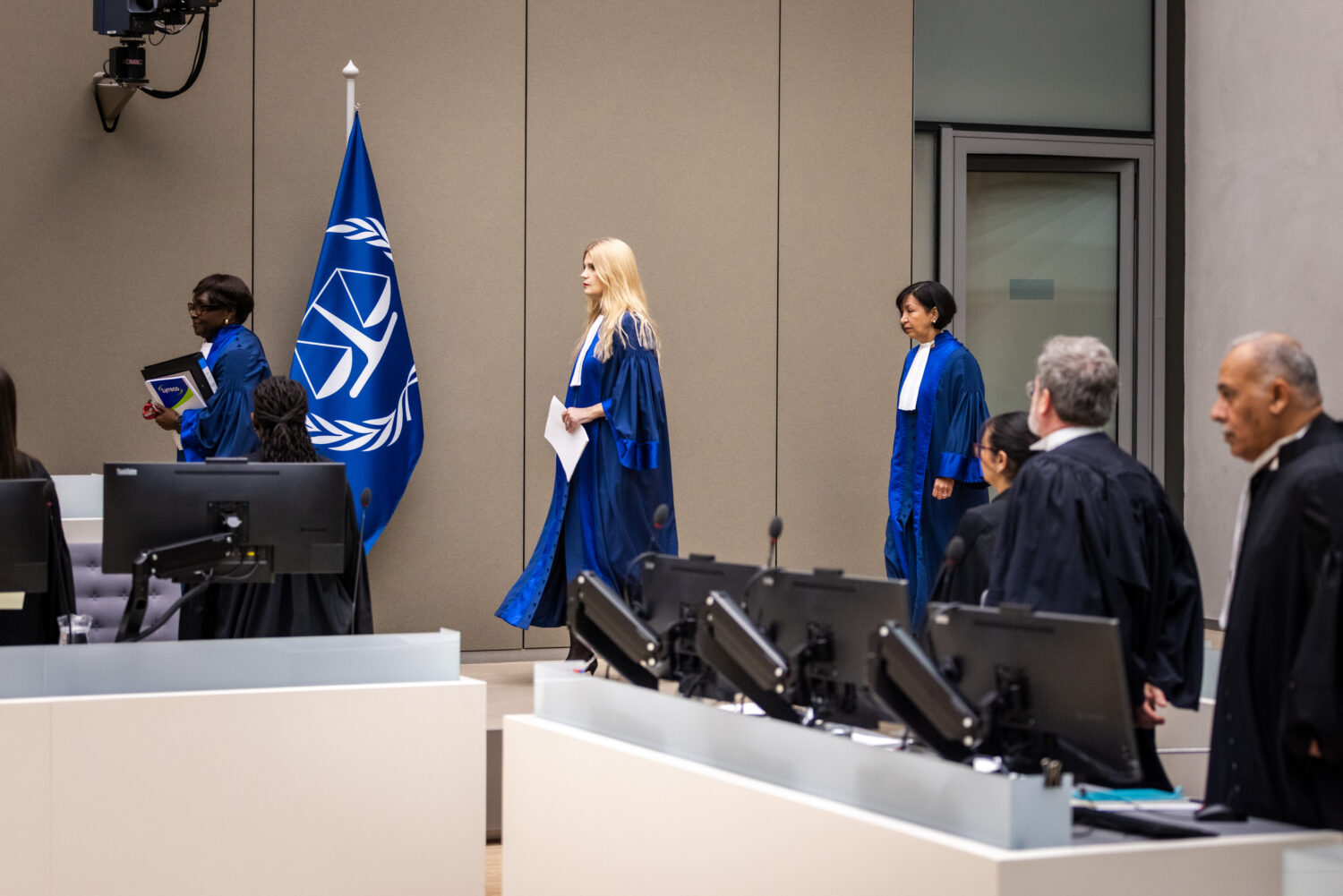
In February 2011, following a violent crackdown on civilian protesters, the United Nations Security Council referred the situation in Libya to the Prosecutor of the International Criminal Court. On 21 May 2026, more than fifteen years later, in a major milestone for survivors, the first individual accused of crimes committed in Libya finally faced charges before the Court, as the ICC’s Pre-Trial Chamber I concluded its Confirmation of Charges hearing in the case of The Prosecutor v. Khaled Mohamed Ali El Hishri on 21 May 2026.
During the Confirmation of Charges hearing, the judges heard evidence on whether the case should proceed to trial. Ahead of this, Lawyers for Justice in Libya (LFJL) and REDRESS published a practical guide for survivors and affected communities entitled How Can Victims in Libya be Heard Before the International Criminal Court? The guide, which is available in Arabic and English, aims to help victims better understand the ICC’s proceedings in Libya, including the Court’s mandate, the crimes under investigation since 2011, and the status of the El Hishri case. It also explains victims’ rights before the Court, including opportunities to participate in proceedings and apply for reparations, should the case proceed to trial and result in a conviction.
On 16 July, the Chamber confirmed all charges against El Hishri and ordered the case to proceed to trial. Below, we explain what the charges are against El Hishri, why this case matters for victims in Libya, and what may happen next.
Charges Against El Hishri
El Hishri was allegedly a founding member and senior official of Libya’s Special Deterrence Force (SDF), commonly known as “RADA”, a Tripoli-based militia affiliated with the Libyan Presidential Council. The SDF oversees several detention sites throughout western Libya, including the notorious Mitiga Prison complex, the largest detention facility in Western Libya, where El Hishri reportedly oversaw the area where women and young children were detained.
According to the ICC Prosecutor, El Hishri is suspected of 17 counts of crimes against humanity and war crimes committed between 2014 and 2020. These crimes include imprisonment, outrages on personal dignity, cruel treatment, enslavement, murder, torture, rape, and other forms of sexual violence allegedly committed against over 900 victims detained in Mitiga Prison.
What This Case Means for Victims
For many of the survivors who suffered abuses in Mitiga Prison, having their experiences examined before an international court was a long-awaited recognition of their suffering.
The hearing provided survivors with greater clarity regarding the scope of the case and the charges under the Court’s consideration. The judges allowed 64 victims to present their views during the hearing through the Office of Public Counsel for Victims.
The trial against El Hishri could bring victims one step closer to accountability and open the door to court-ordered reparations for the harm they endured at the hands of El Hishri.
“While I sat in the courtroom last week, I questioned every meaning of justice. Was seeing this one man in custody enough? Would the system under which he acted stop? Would those who supported him directly and indirectly ever be investigated and punished? I did not find all the answers, but one thing was certain: even if the system does not immediately end, those who commit crimes must still be individually held accountable for their deeds.” David Yambio, Survivor and Executive Director of Refugees in Libya.
El Hishri is the first accused of crimes allegedly committed in Libya to be in custody at the ICC, but the Court has issued 14 arrests warrants so far against other individuals responsible for crimes within its jurisdiction.
What Happens Next
In the coming weeks or months, the Pre-Trial Chamber will schedule a date when the trial against El Hishri begins.
Victims of crimes that El Hishri has been charged with can apply for participation in the proceedings if they haven’t yet, and present their views at the trial stage through their legal representative, if their interests are affected.
REDRESS stands with survivors in Libya as they await a crucial step on the path toward justice and accountability.