
New Report Exposes Sexual Violence as a Tool of Repression in Latin America
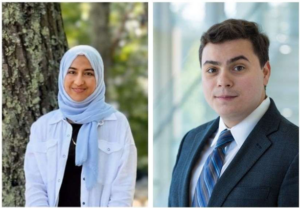 by Homa Üsmany and Gabriel J. Ortiz Crespo (RELEG)
A groundbreaking regional study calls for justice and reparations for survivors of protest-related sexual and gender-based violence. The report “Sexual and Gender Based Violence in the Context of Social Protest in Latin America”, authored by REDRESS, the Academy on Human Rights at American University Washington College of Law, and the Latin America Gender-Based Strategic Litigation Network (RELEG), examines the use of sexual and gender-based violence (SGBV) as a method of repression against women and gender-diverse individuals who take part in social protests across Latin America.
Drawing on extensive research and survivor testimonies, it exposes how such violence occurs at multiple stages – during protests, arrests, and detention – and documents patterns of sexual torture, forced nudity, harassment, and reproductive violence. These are not isolated acts but part of a deliberate strategy to silence those who raise their voices in defense of rights and justice.
Taking an intersectional approach, the study highlights the compounded risks faced by Indigenous women, LGBTIQ+ persons, journalists, and human rights defenders. It also finds that justice systems across the region often fail survivors due to delayed, mishandled, or dismissed investigations that lack gender-sensitive procedures.
The authors urge States to recognize sexual violence in protest as a form of torture and to guarantee comprehensive reparations, including medical and psychological care, justice, and non-repetition measures. It also aims to invite judicial operators in countries like Chile to see how torture can occur in unconventional cases that still meet basic legal criteria under international legal instruments.
They further call for closer collaboration with the Inter-American Court of Human Rights to ensure the implementation of Women of Atenco v. Mexico, a landmark case that set key standards for protecting women from sexual violence and torture in protest settings.
The report concludes with a call for accountability and structural reform, emphasizing that survivors must be placed at the center of reparation processes to ensure lasting justice and the protection of the right to peaceful protest.
Please read the full report here.
This article was first published in the Community Corner of our Just Reparation newsletter. These contributions are invaluable in enriching our collective understanding and fostering meaningful dialogue within the reparation community of practice. If you would like to be featured, we encourage you to submit your contributions to [email protected].