
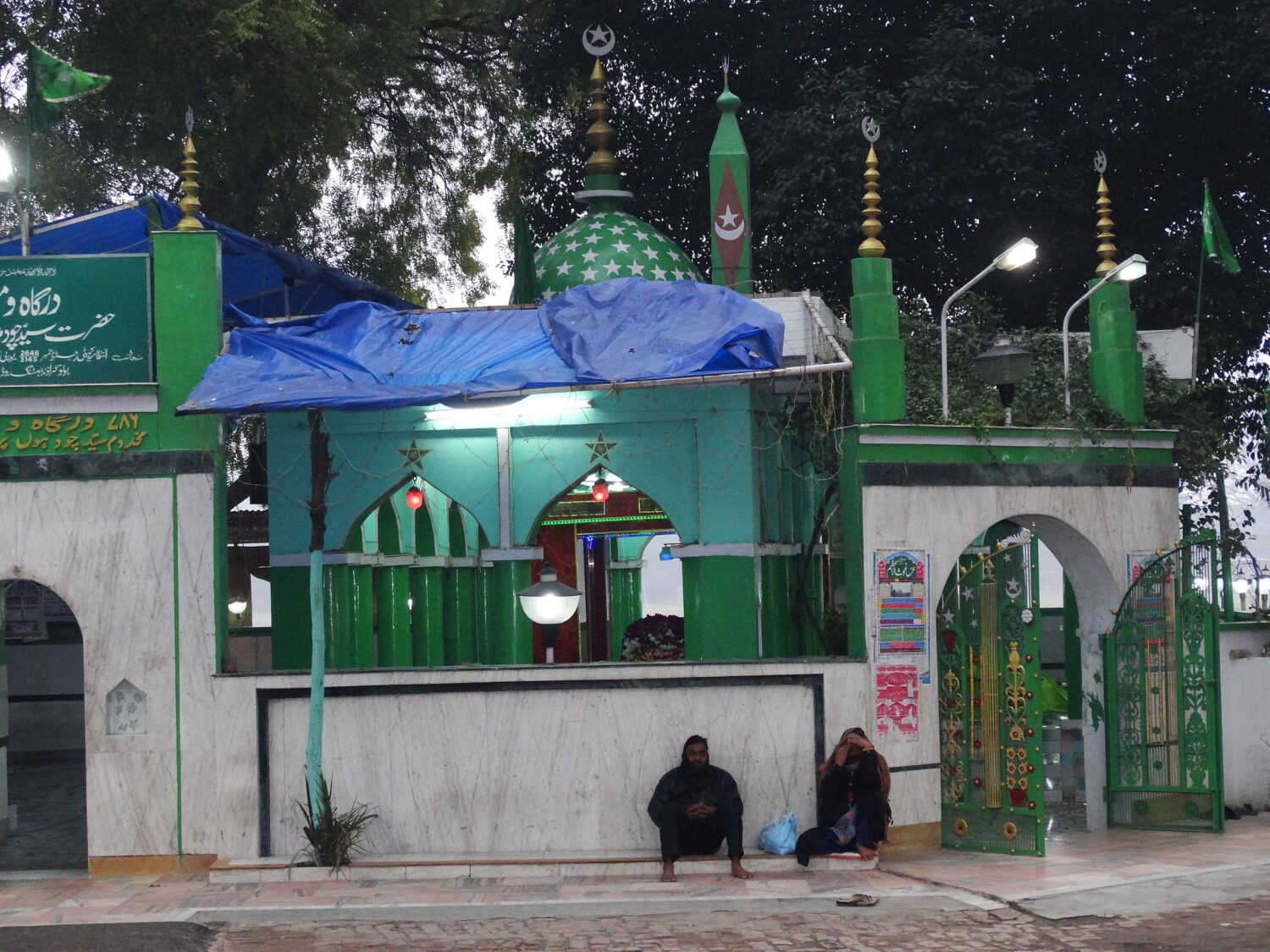
New Complaint Calls for UN Action on Systemic Abuses Against Muslims in Uttar Pradesh
REDRESS and the World Organisation Against Torture (OMCT) submitted a joint complaint to the UN Human Rights Council concerning the treatment of Muslims in Uttar Pradesh, India.
The complaint was developed in close collaboration with Indian experts and draws on the important documentation and work of human rights organisations whose identities remain confidential for security reasons. It also draws on the findings of the Panel of Independent International Experts (PIIE) in two separate inquiries into the alleged violations of international law committed against Muslims in India in 2022 and 2026.
The complaint identifies consistent patterns of gross and reliably attested human rights violations against Muslims in Uttar Pradesh committed by State and non-State actors. These include:
- unlawful killings of Muslims by police in a practice known as ‘encounters’;
- torture and ill-treatment of Muslims in police custody and by non-State actors, such as ‘vigilante’ groups, which are tolerated by the State and remain unpunished;
- coordinated crackdown of protesters, including the use of excessive force amounting to torture or ill-treatment; and
- the weaponisation of criminal and administrative laws to arbitrarily detain, silence and further marginalise Muslims.
These violations take place within a broader context of systemic discrimination, anti-Muslim hate speech, and incitement involving State officials. This violent context is not unique to Uttar Pradesh or to Muslims. As REDRESS’s report ‘Torture Normalised: State Violence in India’ demonstrates, torture and other ill-treatment, extrajudicial killings in ‘police encounters’ and other grave violations are widespread and systemic throughout the country. Such tactics are commonly used to further marginalise communities and silence dissent
Since the Bharatiya Janata Party (BJP) rose to power in 2014, India has seen a serious deterioration of its human rights record. Several religious groups have experienced discriminatory violence and human rights abuses under the BJP government. The complaint focuses on abuses against Muslims, who have been disproportionately and systematically affected, particularly in Uttar Pradesh, home to the largest Muslim population of any Indian state.
The complaint was submitted following the UN Committee on the Elimination of Racial Discrimination’s (CERD) concluding observations on India’s compliance with the Convention on the Elimination of All Forms of Racial Discrimination (ICERD). The Committee raised serious concerns about patterns of discrimination and violence against religious and ethnic minorities in India. The complaint also follows a February 2026 intervention from UN experts highlighting practices of extrajudicial killings and torture-related deaths involving law enforcement in India.
The issues documented in the complaint remain largely unaddressed by the Indian authorities, while the Government rarely engages with international human rights processes. The violations in Uttar Pradesh cannot be allowed to continue with impunity.
The human rights abuses in Uttar Pradesh warrant closer scrutiny by the international community, particularly the UN Human Rights Council. The complaint therefore invites the Council to consider the PIIE’s recommendations to establish an independent fact-finding body to investigate violations against Muslims in India, as well as an international mechanism to preserve evidence for future proceedings. It also calls for the appointment of a Special Rapporteur on India to monitor, document, and report violations against religious minorities to the Human Rights Council and the UN General Assembly.
The complaint further calls on the Indian Government to:
- address impunity by conducting effective investigations into allegations of torture, ill-treatment, and other grave violations against Muslims in Uttar Pradesh and across the country, and holding perpetrators accountable;
- publicly condemn hate speech and incitement to violence against Muslims and other religious minorities;
- ensure that the National Human Rights Commission can carry out its mandate effectively and independently;
- adopt a concrete plan to ratify the UN Convention Against Torture and its Optional Protocol;
- enact comprehensive legislative reforms to prohibit discrimination and protect religious minorities, including Muslims, from torture, unlawful killings, and other forms of violence;
- release those arbitrarily detained in Uttar Pradesh, and ensure that legal safeguards for persons deprived of liberty are in place and respected in practice, with adequate judicial oversight; and
- integrate human rights and anti-torture training into the regular curriculum for police, prison staff, security personnel, and judicial authorities, in line with international law and standards.
Photo: Streetside Mosque at Uttar Pradesh by Adam Jones/ Wikimedia commons