Unlocking the Chelsea Funds for Survivors of the War in Ukraine
By Olivia Dehnavi, Advocacy Officer
Four years on, the stalemate continues. The £2.5 billion from the sale of Chelsea Football Club remains stuck in limbo, and survivors of Russia’s war against Ukraine have yet to receive the support they were promised.
This did not change today, the deadline given to Roman Abramovich to comply with the terms of a UK Government licence allowing him to transfer the proceeds from the club’s 2022 sale “to benefit the people of Ukraine suffering at the hands of Russian invasion.”
Government officials said today that they would now take steps to prepare for a potential court case so that the money can be used for humanitarian purposes in Ukraine. They have written to Abramovich’s lawyers to warn them of this.
A government spokesperson said: “We will now take further steps to ensure that the promise he made at the time of the Chelsea sale is kept.”
We welcome the announcement. This stalemate has gone on for far too long, and the proceeds of the Chelsea FC sale need to be swiftly released.
A pledge made in 2022
In March 2022, Roman Abramovich pledged to sell Chelsea Football Club and donate the roughly £2.5 billion in proceeds to support victims of Russia’s war against Ukraine. Days later, the UK Government sanctioned him under its Russia regime, citing his close ties to the Kremlin. The sale of the club went ahead under a special licence issued by the Office of Financial Sanctions Implementation. But the money from the deal never reached the victims.
Instead, the funds have sat frozen in a UK bank account. Legally, they remain Abramovich’s property. Without a new license from OFSI, or the lifting of sanctions, they couldn’t be moved.
In December 2025, the UK Government issued a new licence allowing the funds to be transferred. Even before this, ministers had voiced growing frustration at the deadlock. In a joint statement in June 2025, Chancellor Rachel Reeves and Foreign Secretary David Lammy warned they were prepared to take Abramovich to court to force the release of the proceeds.
Abramovich’s lawyers, however, maintain that the £2.5 billion belongs entirely to him and have signalled that he will contest any attempt to confiscate or redirect the funds.
Survivors bear the cost of this delay
Close to 11 million people are estimated to need humanitarian assistance as a result of the war. Widespread human rights violations and war crimes, including torture, cruel treatment of civilians, unlawful detention, and conflict-related sexual violence, continue on a massive scale.
Under international law, survivors of grave human rights violations have a right to reparation. REDRESS has consistently heard from Ukrainian survivors and civil society groups that reparation should be funded by Russia and those who enabled its aggression. Reparations are not only financial support, but they are a form of justice and recognition of survivors’ inherent dignity.
The Chelsea funds present a unique opportunity to turn a high‑profile sanctions case into meaningful redress. Redirecting these proceeds to trusted international mechanisms already supporting survivors – including those providing medical care, psychosocial support, and assistance to survivors of conflict‑related sexual violence – would align the UK’s sanctions enforcement with its stated purpose: preventing and responding to serious human rights abuses.
REDRESS calls on the UK Government to:
- Guarantee that these funds are used to provide reparation to survivors of the conflict, particularly survivors of gross human rights violations.
- Ensure decisions about how the Chelsea funds are distributed are made in close collaboration with Ukrainian survivors, civil society, and those already working within the existing reparation landscape for Ukraine.
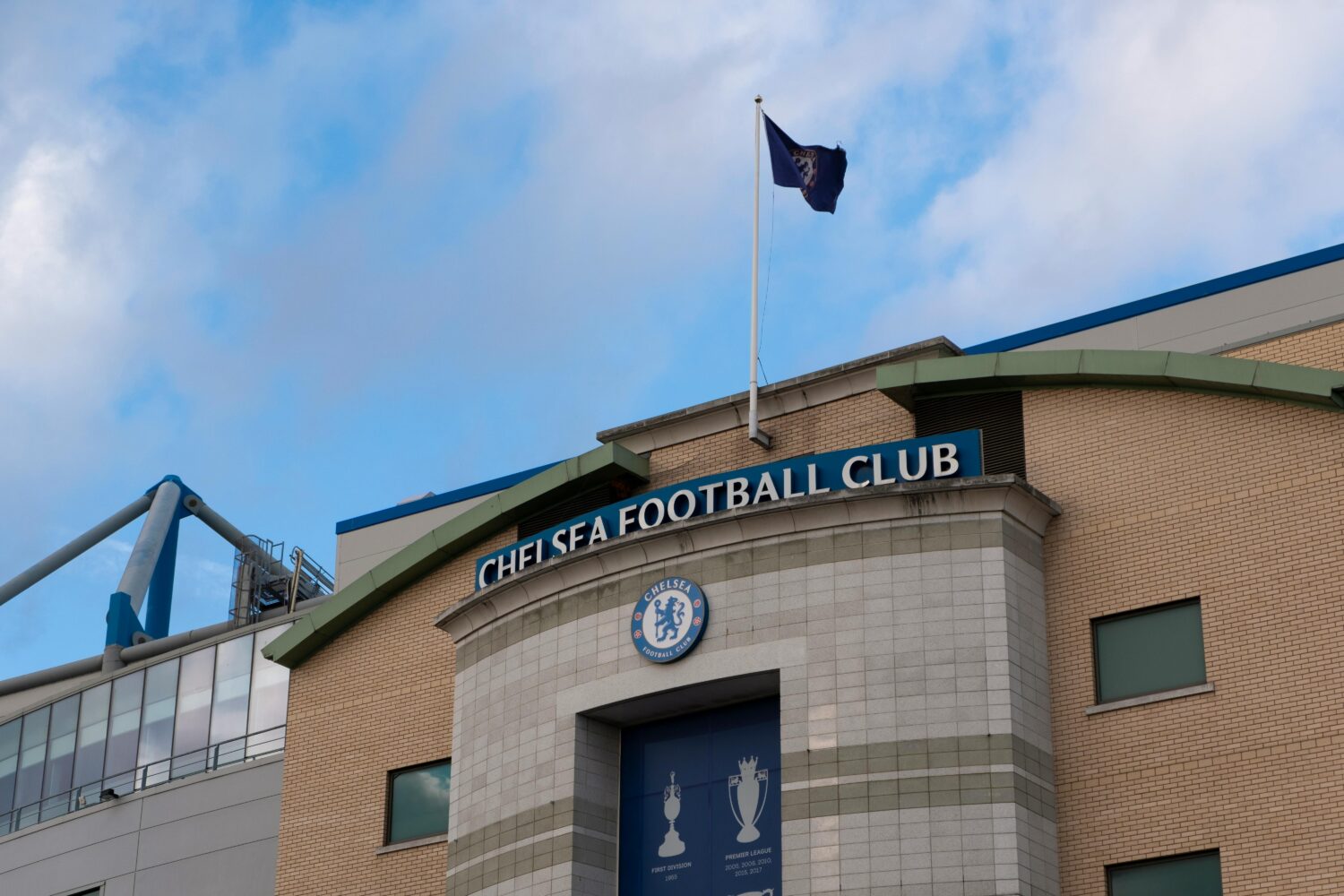
Photo by: Pexels/ Gina Bichsel