
MPs Call on the UK Government to Strengthen the Credibility of Magnitsky Sanctions
A cross-party group of MPs has challenged the UK Government to close the growing gap between the promise and practice of the UK’s Magnitsky-style sanctions regime, which is intended to target individuals and entities responsible for human rights abuses and corruption. The debate highlighted how as human rights violations and grand corruption continue to escalate around the world, gaps in the Government’s sanctions policy risks undermining their credibility as a tool for accountability and atrocity prevention.
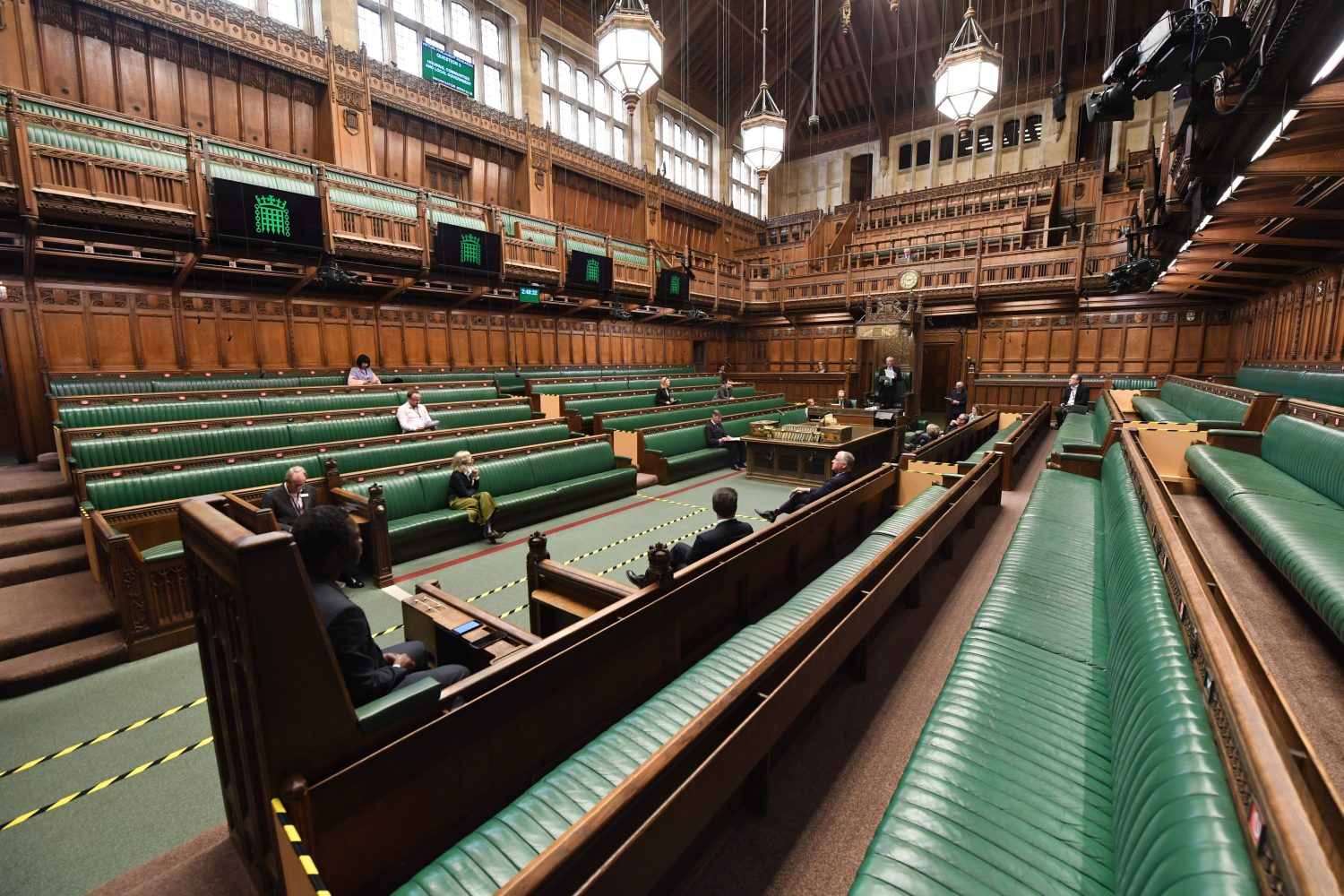
Held at a critical moment amid ongoing peace talks between Russia and Ukraine, the Backbench Business Debate on 8 January, led by Sir Iain Duncan Smith MP, heard MPs argue that while Magnitsky-style sanctions remain a vital tool for accountability, their use by the UK has been inconsistent, weakly enforced and lacking transparency and oversight. As a result, individuals and entities credibly implicated in serious human rights abuses and corruption have evaded meaningful consequences.
Ahead of the debate, REDRESS provided in-depth briefings to MPs on the strategic use of Magnitsky-style sanctions, who urged the Government to use the regime to apply pressure on those credibly implicated in human rights violations and corruption, disrupt their financial networks and enablers, and punish those responsible for arbitrary detention to help secure the release of victims.
Sir Iain Duncan Smith MP noted that while Magnitsky-style sanctions have “huge potential”, he warned that “important gaps in their implementation” raised “serious concerns about their overall effectiveness”. As an example, he cited the case of Sudan, where the UK recently sanctioned four senior commanders of the Rapid Support Forces for atrocities in El Fasher, but failed to act against their principal backers, including the United Arab Emirates. “That highlights a broader, troubling trend: to date, only a fraction of Magnitsky sanctions have ever been applied by the UK Government to perpetrators from countries considered strategic allies of the UK”, he said.
Iqbal Mohamed MP warned that such selective implementation of sanctions risks hollowing out the UK’s human rights stance altogether: “Our inconsistent approach to human rights, and the protection of so-called allies, condemns us all to an unsafe world in which might is right and wrongdoing is never corrected”.
Lloyd Hatton MP raised similar concerns in relation to Georgia, arguing that the narrow scope of UK sanctions has weakened the UK’s overall response to the ongoing human rights crisis following Georgia’s highly disputed election in 2024, in which the Georgian Dream party claimed victory. He noted that while the UK has rightly sanctioned some individuals responsible for violent attacks against journalists and protesters “key members of the pro-Russia elite were sadly absent from those designations”.
MPs also criticised the Government’s failure to impose broader sanctions in response to the repression of Uyghur Muslims in China, noting that despite detailed evidence submitted in 2020 by REDRESS and other human rights organisations identifying the wider command structure responsible, no further sanctions were imposed.
Concerns were also raised about the Government’s reluctance to use Magnitsky-style sanctions in cases of arbitrary detention of UK nationals abroad, including Ryan Cornelius, Jimmy Lai, and Jagtar Singh Johal. Sir Iain Ducan Smith MP observed “Despite the clear role that Magnitsky sanctions could play in these cases, the Government do not treat them as a core foreign policy tool for protecting British citizens abroad. They should not be reserved for politically convenient situations but applied consistently, particularly when we have economic leverage over the perpetrating states”
The MPs further highlighted the need for stronger enforcement of sanctions and greater transparency in identifying the ownership of sanctioned assets. Joe Powell MP noted that: “If we want sanctions to work, we need to know where the assets are”, while Phil Brickell MP added “Sanctions without enforcement are no sanction at all; they are just suggestions”. He specifically called on the British Overseas Territories, including the British Virgin Islands, to finally implement fully public registers of beneficial ownership.
Members underscored the importance of international coordination on Magnitsky-style sanctions, alongside renewed efforts to link sanctions regimes to reparations and redress for victims.
This debate followed years of advocacy by REDRESS urging the UK Government to become a world leader in the use of Magnitsky-style sanctions and impose them without fear or favour (see here, here, and here). REDRESS welcomes the open debate and Members’ thoughtful contributions.
Photo: CC by Jessica Taylor