
Joint Statement: ICC Reparations Order in Al Hassan Finds the Gender Aspect of Religious Persecution Impacted the Entire Community of Timbuktu, Adopting a Holistic Approach to Harm
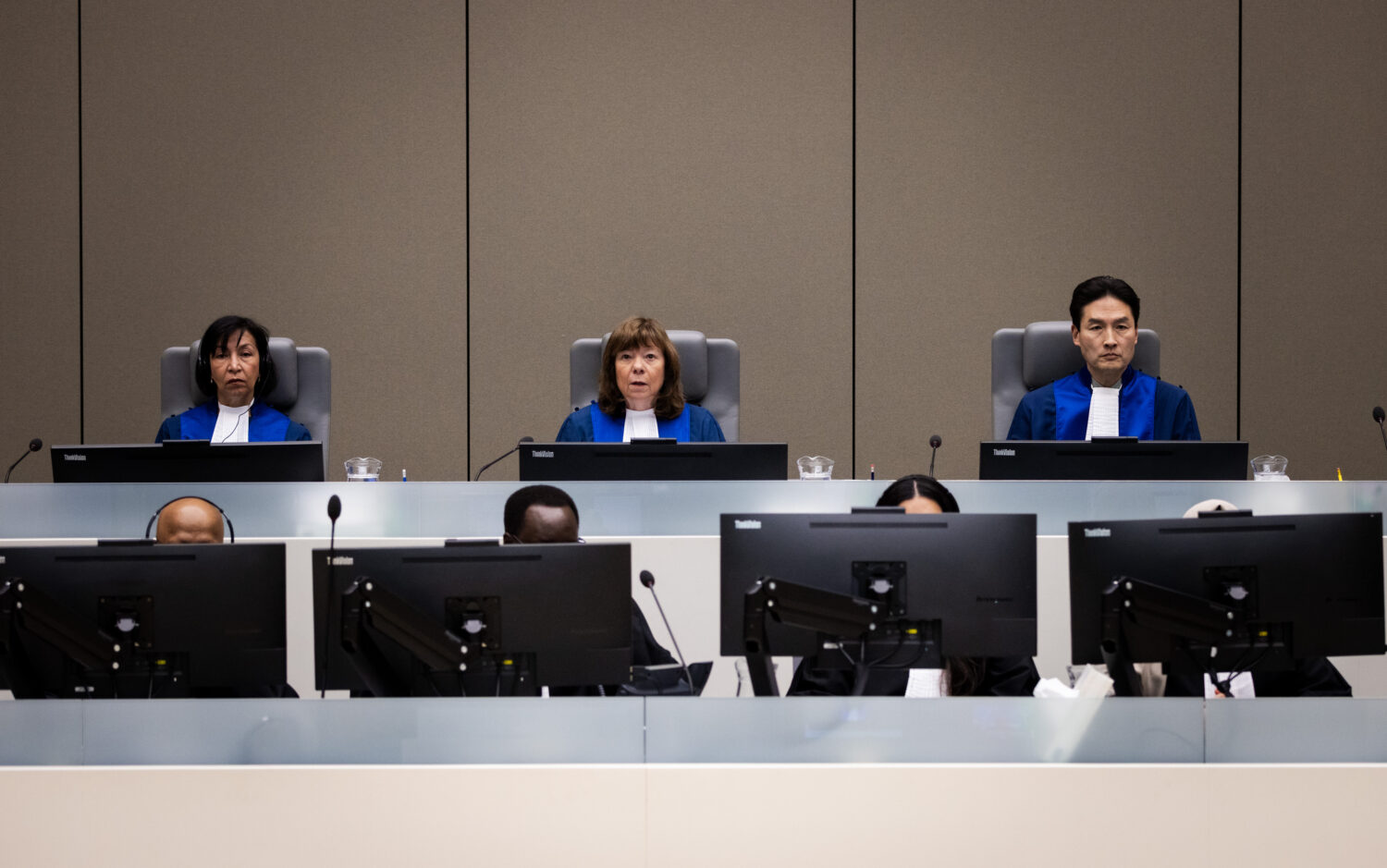
Women’s Initiatives for Gender Justice (WIGJ), together with co-amici Mama Koité Doumbia, Association des Femmes pour les Initiatives de Paix (AFIP), Groupe de Recherche, d’Étude, de Formation Femme-Action (GREFFA), the International Federation for Human Rights (FIDH), REDRESS, Lawyers Without Borders Canada (LWB Canada), and Sareta Ashraph, welcome the reparations order issued today by Trial Chamber X of the International Criminal Court (ICC) in The Prosecutor v. Al Hassan Ag Abdoul Aziz Ag Mohamed Ag Mahmoud.
The unanimous Order assesses Mr Al Hassan’s liability at €7,250,000, estimates approximately 65,202 potentially eligible direct and indirect victims, and awards collective community-based reparations with limited individualised components focused on rehabilitation, symbolic and satisfaction measures.
The Chamber adopted core positions advanced in the amici curiae observations of 16 June 2025.
First, the Chamber adopted a holistic approach to harm “which considers an intersectional analysis of the harm suffered by the victims as a core component” (paragraph 73), expressly citing the amici submission. The Order dedicates a sub-section to the “Social impact of the gender aspect of religious persecution” (paragraphs 122-124), finding that “women and girls suffered particular moral, material and community harm as a result of the crime of persecution” and that “the gender aspect of the religious persecution impacted the entire community,” requiring this to be reflected across the planning, design and implementation of all socio-economic rehabilitation projects.
Second, the Chamber established a presumption of victimhood for all individuals who resided in Timbuktu during the temporal scope of the crime of persecution (early May 2012 to 29 January 2013), including those who fled during that period (paragraph 63). This citation of the amici submission alongside those of the Legal Representatives of Victims, the Registry and the Trust Fund for Victims (TFV) gives effect to a long-standing demand to recognise the entire population of Timbuktu as direct victims of religious persecution.
Third, the Chamber instructed the TFV to design rehabilitation programmes in close consultation with the victims, with “the application of a gender-sensitive approach to safeguard guarantees that women and girls are duly included, their gender specific harm is addressed, and the specific risks and challenges they face gaining access to reparative measures are considered” (paragraph 204). Educational support is to address harm suffered “in particular [by] women and girls, as a result of the closing of schools and the loss of educational [opportunities]” (paragraph 210).
This Reparations Order shows that the Court can recognise gendered and intersectional harm even where convictions on gender-based charges are not secured.
The Chamber has emphasised the “do no harm” principle as “of paramount importance” and instructed the TFV to ensure accessibility, meaningful participation, attention to gender-specific considerations and respect for victims’ privacy and safety throughout consultations (paragraph 194).
Photo: ICC-CPI