Read our new Guidelines to learn more “Reparations are the survivor’s voice”, a survivor of Russia’s war in Ukraine recently told us. Yet, four years into Russia’s full-scale invasion of Ukraine, funding for reparation still pales in comparison to the needs of survivors. Meanwhile, authorities around the world hold billions of Euros… Read More
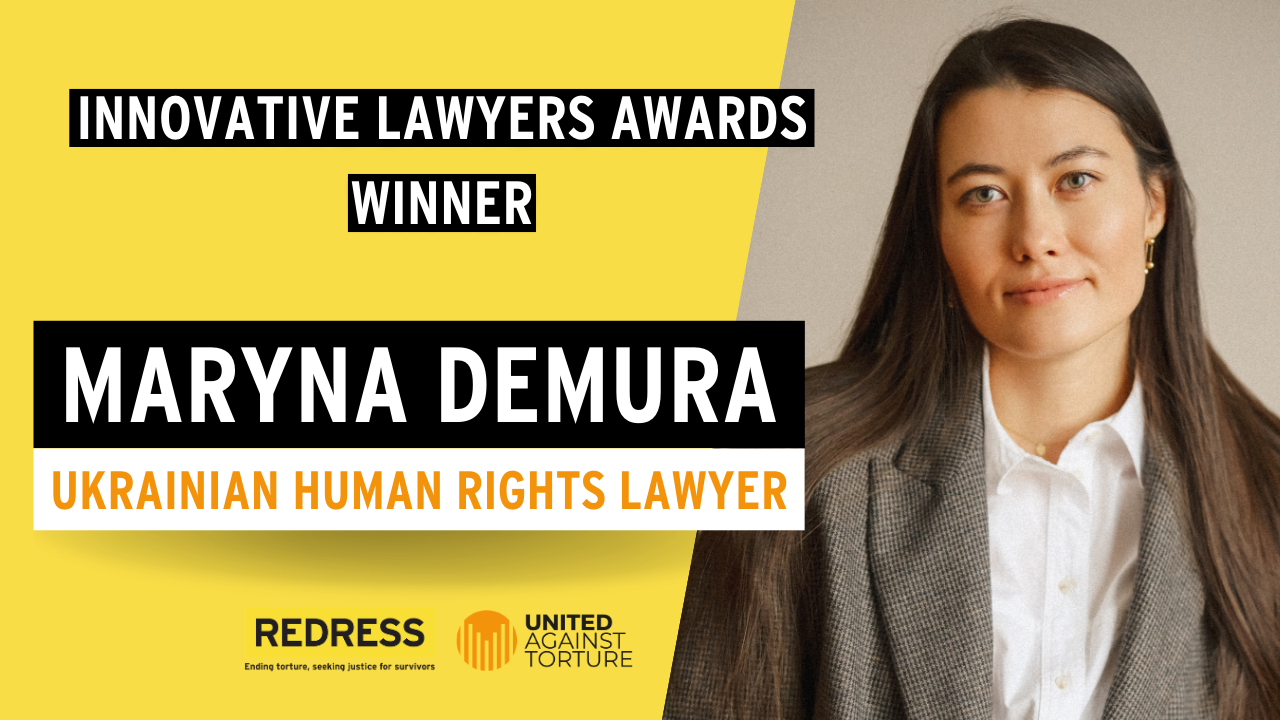
By Maryna Demura, Innovative Lawyer Awardee Maryna Demura is a human rights lawyer from Ukraine and a recipient of the REDRESS Innovative Lawyers Award. She works with the Information Center for Human Rights (ZMINA), an organisation dedicated to defending human rights, documenting violations, and supporting human rights defenders and civil activists, particularly in the context… Read More
In response to Russia’s full-scale invasion of Ukraine, competent authorities are increasingly taking steps to seize, confiscate, and repurpose Russia-linked assets for the benefit of Ukraine. Most progress made to date has focused on repurposing to finance broad packages of State-level assistance. Commitments to address victims’ urgent reparation needs… Read More

by T Horrow, REDRESS Legal Fellow Bangladesh continues to face serious institutional challenges, which impede the delivery of reparation to survivors of torture, contextual challenges which obstruct survivors in their search for accountability, and practical challenges to providing effective rehabilitation programs to these survivors and their families. It is clear… Read More

By Olivia Dehnavi, Advocacy Officer Four years on, the stalemate continues. The £2.5 billion from the sale of Chelsea Football Club remains stuck in limbo, and survivors of Russia’s… Read More

By Natalia Kubesch, REDRESS Legal Officer Financial institutions, arms brokers, company directors, lawyers, accountants and other intermediaries often operate behind the scenes of violent conflicts and grave human rights violations. They facilitate transactions, move money, provide professional cover and profit from actors responsible for grave abuses that may amount… Read More

Read in English por Osvaldo de Almeida, Innovative Lawyer Awardee Osvaldo de Almeida é um advogado de direitos humanos de Angola e vencedor do Prémio Innovative Lawyers da REDRESS. Ele trabalha com a Friends of Angola, uma organização dedicada a aumentar a consciência global sobre os desafios… Read More
Ler em Português by Osvaldo de Almedia, Innovative Lawyers Awardee Osvaldo de Almeida is a human rights lawyer from Angola and a recipient of the REDRESS Innovative Lawyers Award. He works with Friends of Angola, an organisation dedicated to raising global awareness of the challenges facing the… Read More