The effective incorporation of anti-torture standards within States’ domestic legal frameworks and their effective implementation in practice is crucial to prevent torture and other ill-treatment, ensure that perpetrators are held accountable, and to provide redress for victims. States in the African region widely reject the practice of torture and other… Read More

REDRESS has made a submission to the Human Rights Council’s Universal Periodic Review (UPR) Working Group, focusing on the UK’s performance on issues relating to torture and ill-treatment. Some of the key points covered in the submission are as follows: The UK… Read More

REDRESS and its South African partners, Access Chapter 2, have made a joint submission as part of the Fourth Cycle of the Universal Periodic Review (UPR) of South Africa that will be held in October and November 2022. The submission focuses on… Read More
In this briefing, REDRESS, the People’s Legal Aid Centre (PLACE), the Darfur Bar Association, and the Emergency Lawyers Group outline patterns of arrests and detentions conducted under Sudan’s emergency laws since the 25 October 2021 military coup. Read More
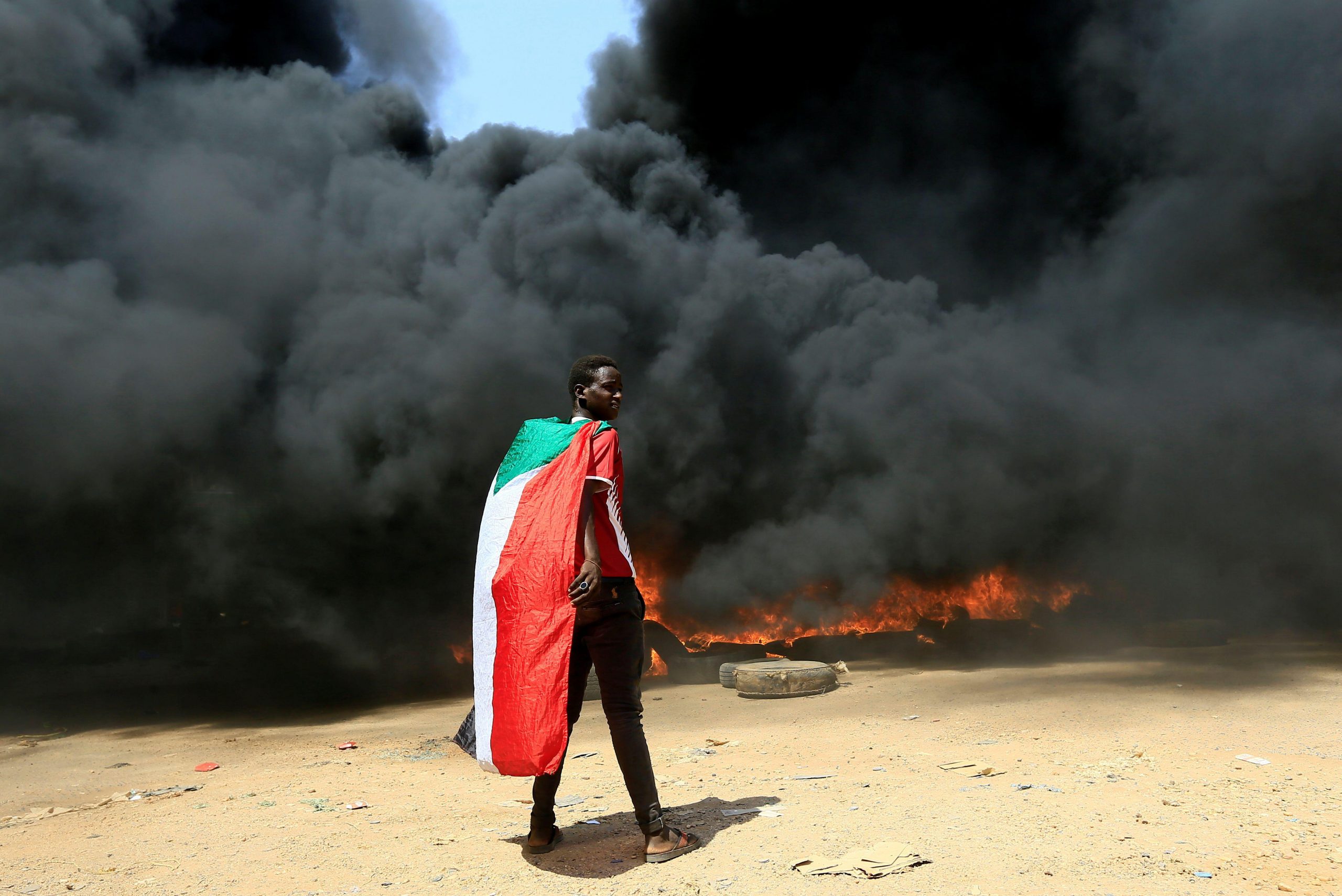
Download Briefing متوفر باللغة العربية In a briefing published today, REDRESS, the People’s Legal Aid Centre (PLACE), the Darfur Bar Association, and the Emergency Lawyers Group outline patterns of arrests and detentions conducted under Sudan’s emergency laws. Drawing on… Read More
This briefing provides background on Sudan’s Central Reserve Police (or “Abu Tira”), its current leadership and organisational structure, and a summary of ongoing violations committed in combination with other Sudanese military and security forces. Read More
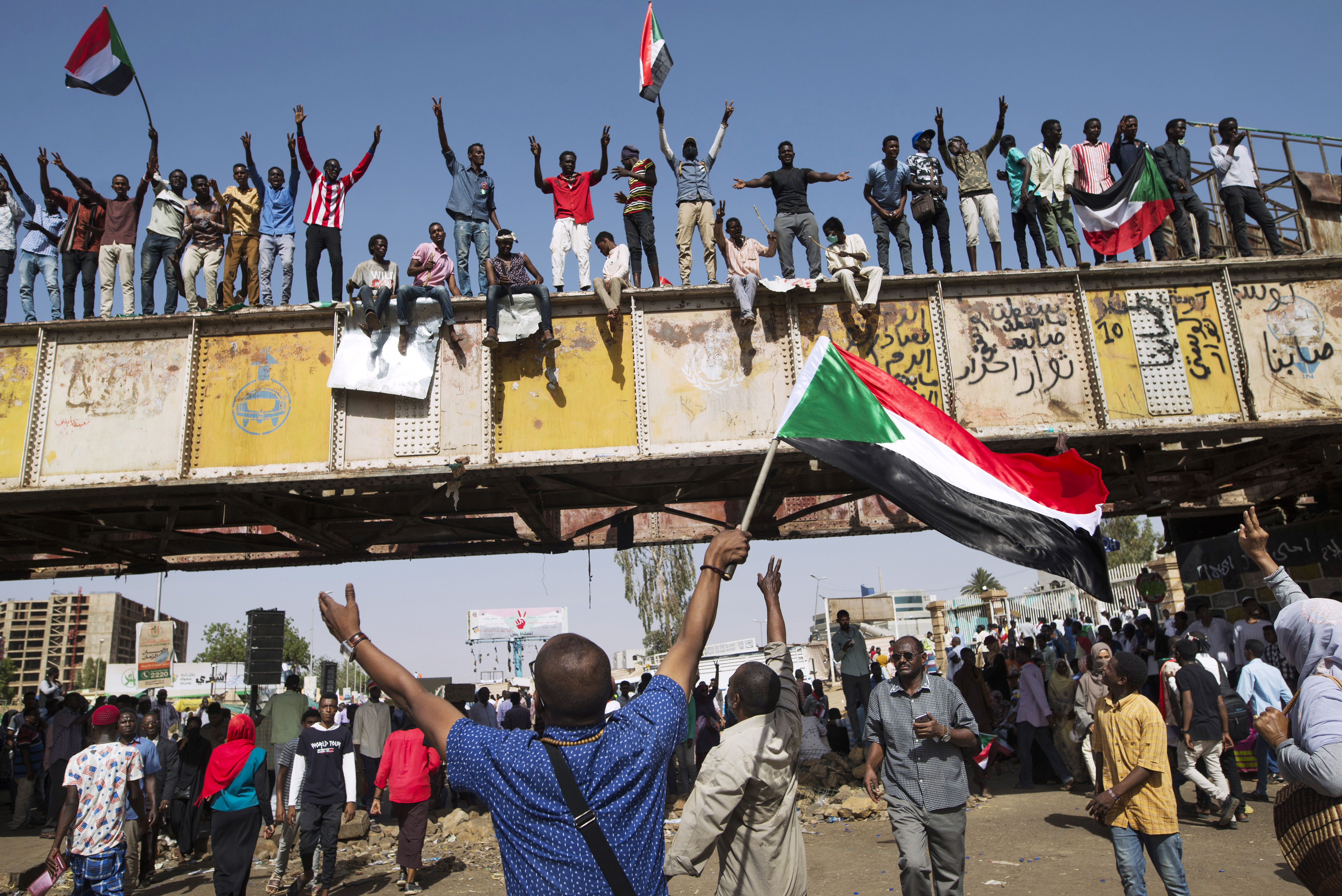
Who are the Central Reserve Police? REDRESS welcomes today’s announcement that the US Department of Treasury’s Office of Foreign Assets Control (OFAC) has designated the Central Reserve Police (CRP) of Sudan for sanctions for its involvement in serious human rights violations since the 25 October 2021 military… Read More
Today REDRESS and our Kenyan partners, the National Gay & Lesbian Human Rights Commission (NGLHRC), made a submission to the Committee against Torture (CAT) as part of its examination of Kenya’s treaty obligations, which will take place from 19 April to 13 May 2022. The… Read More